Craft
Stepping Into Film Changed How I See Lenses
As a photographer, I’ve always cared deeply about the image: the light, the framing, the timing. But as I’ve started leaning more into filmmaking, something unexpected has happened: my favorite photo lenses started feeling too sharp.
Not better. Not worse. Just... different. Almost too digital. Too clean. Too clinical.
And that’s not the feeling I want in my wildlife sequences.
The Search for Texture
In photography, sharpness is often the goal. The eye. The feather detail. The textures in fur or skin. You want that bite. That precision.
But in film, it’s not always about detail; it’s about feel. Motion carries the story. Atmosphere matters more than pixels. You don’t want the footage to scream “modern sensor.” You want it to feel like something you could step into.
That’s what led me down the rabbit hole: researching, watching youtube reviews and footage, diving into the world of cinema glass.
The CN20×50: The Wildlife Industry’s Default
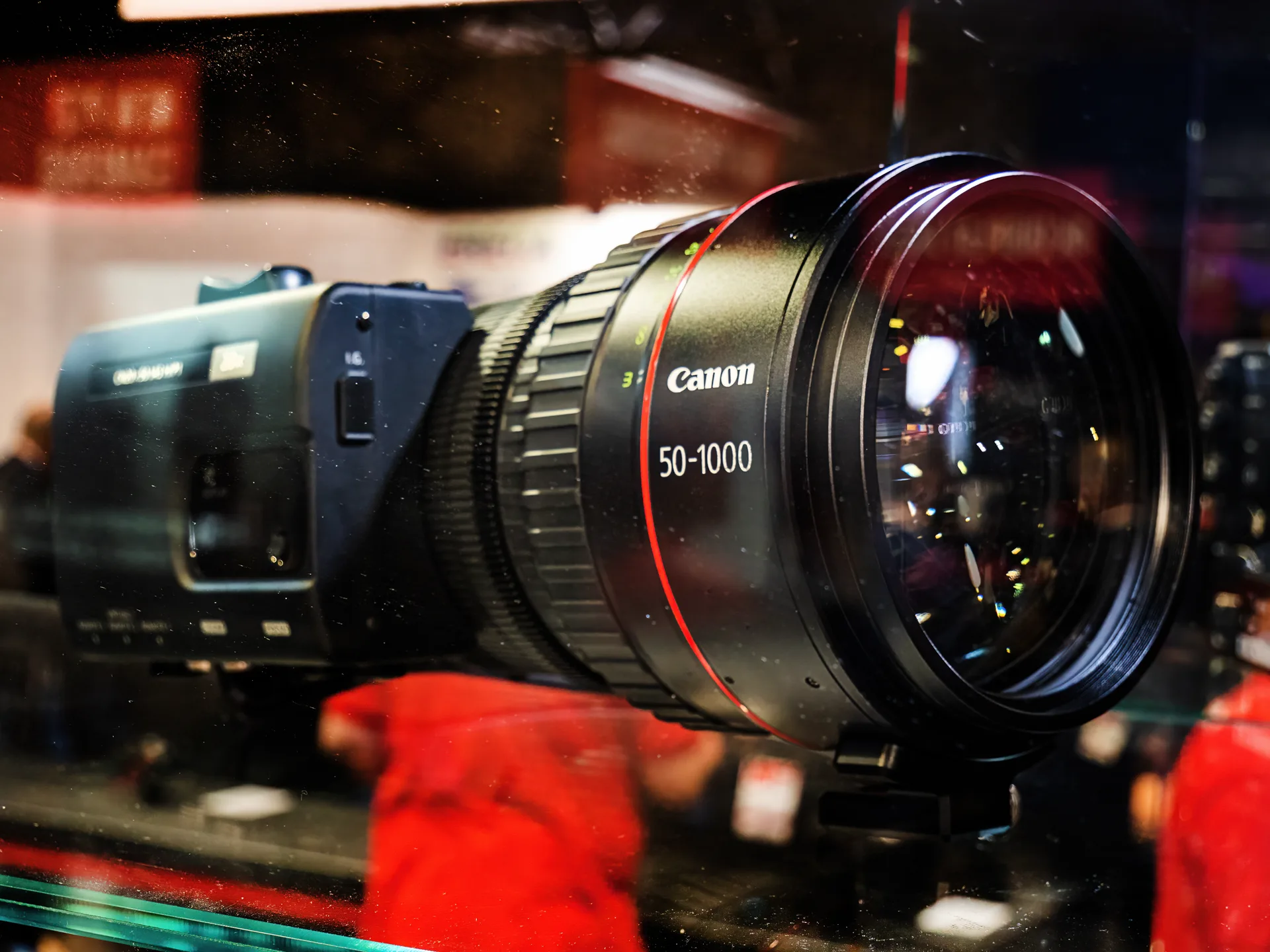
Before I ever thought about moving into filmmaking, before I even knew what cinema glass really meant, I saw the Canon CN20X50–1000mm in Epic Adventures with Bertie Gregory. I had already owned most of the big SuperTeles, and back then I thought my Canon EF 600mm f/4 was pretty long and cool.
The Canon CN20 changed that.
The moment the episode ended, I did what any gear addict would do: I Googled it. That lens had me instantly. And in that moment, I knew: one day, I’d find a way to justify owning it. Looking back, maybe it was that lens, more than anything else, that first pulled me toward wildlife filmmaking, what a better way to justify it?.
This lens is legendary. It’s the one you’ll find on the triphod of just about every NatGeo or BBC Natural History Unit shooter. It’s the industry standard for wildlife filmmaking, and for good reason.
With its insane focal range (50 to 1000mm, or 75–1500mm with the built-in 1.5x extender), it covers almost every wildlife scenario imaginable. From tight headshots of distant predators to wide establishing shots, all without switching lenses. It’s not light. It’s not small. But it delivers exactly what major productions need: reach, reliability, sharpness, and a distinctly broadcast look that holds up across formats.
The Fujinon Duvo 24–300mm
The first time I saw the announcement video and the specs for the Fujinon Duvo 24–300mm, it just made sense. It’s long. It’s fast. It has incredible range for wildlife. And even though it’s technically modern and sharp, it doesn’t feel overly sterile. It gives you the clarity you need in the field, especially when the subject is far off, but without stripping away the mood in the image.
And the fact that it has a built-in switch for Super 35 mode? That’s a huge win. Especially when you need that extra reach without cropping in post. Compared to the CN20x50 it's rather lightweight.
Discovering the Language of Anamorphic
At first, it felt like another trendy look. Flares, wide frames, and bokeh stretched sideways. But when you use it right, it’s about storytelling, not style.
Anamorphic lenses give space. Breathing room. They open the world up. Suddenly even a simple shot of a bird on a branch feels like it belongs in a feature film.
It’s a different way of seeing. A different way of composing. You don’t just frame tighter; you compose deeper. And as a photographer, that challenges everything I thought I knew about balance, perspective, and motion.
It’s like learning a new dialect with the same visual vocabulary. One that I still have to learn, I’m currently considering pre-ordering the new Blazar Remus-M 1.5x Full Frame Anamorphic 3-Lens Set (33/50/100mm) for Sony E-mount. For true cinema glass, it’s priced surprisingly well. No, it’s not Cooke or Atlas. But for the kind of work I’d use it for (occasional anamorphic sequences mixed into a larger wildlife or BTS piece), it’s a quality level I can easily live with.
Cine Glass: A Jungle of Beauty and Brutality
I used to think high-end photography glass was expensive. I’ve used supertele primes, flagship zooms, the best of Sony and Canon. But stepping into cinema glass humbles you fast. Cine lenses exist in a completely different pricing universe.
But you also get something that photo lenses rarely offer: character.
Subtle imperfections. Bloom. Personality. That cinematic glow isn’t a plugin; it’s baked into the optics. You start to see why filmmakers obsess over lens choices. Because it’s about more than technical quality; it’s about emotion. Atmosphere. Presence.
This Is Just the Beginning
I still love photography. That will never change. But moving into film is reshaping how I see, and how I choose my tools.
Where I used to chase sharpness, I now chase atmosphere. Where I used to want realism, I now lean toward emotion.
And as I continue down this rabbit hole. I’m realizing that lens choice is no longer just about reach, or speed, or what fits in the bag. It’s about what you want the audience to feel.