Craft
Leaving the Canon at Home
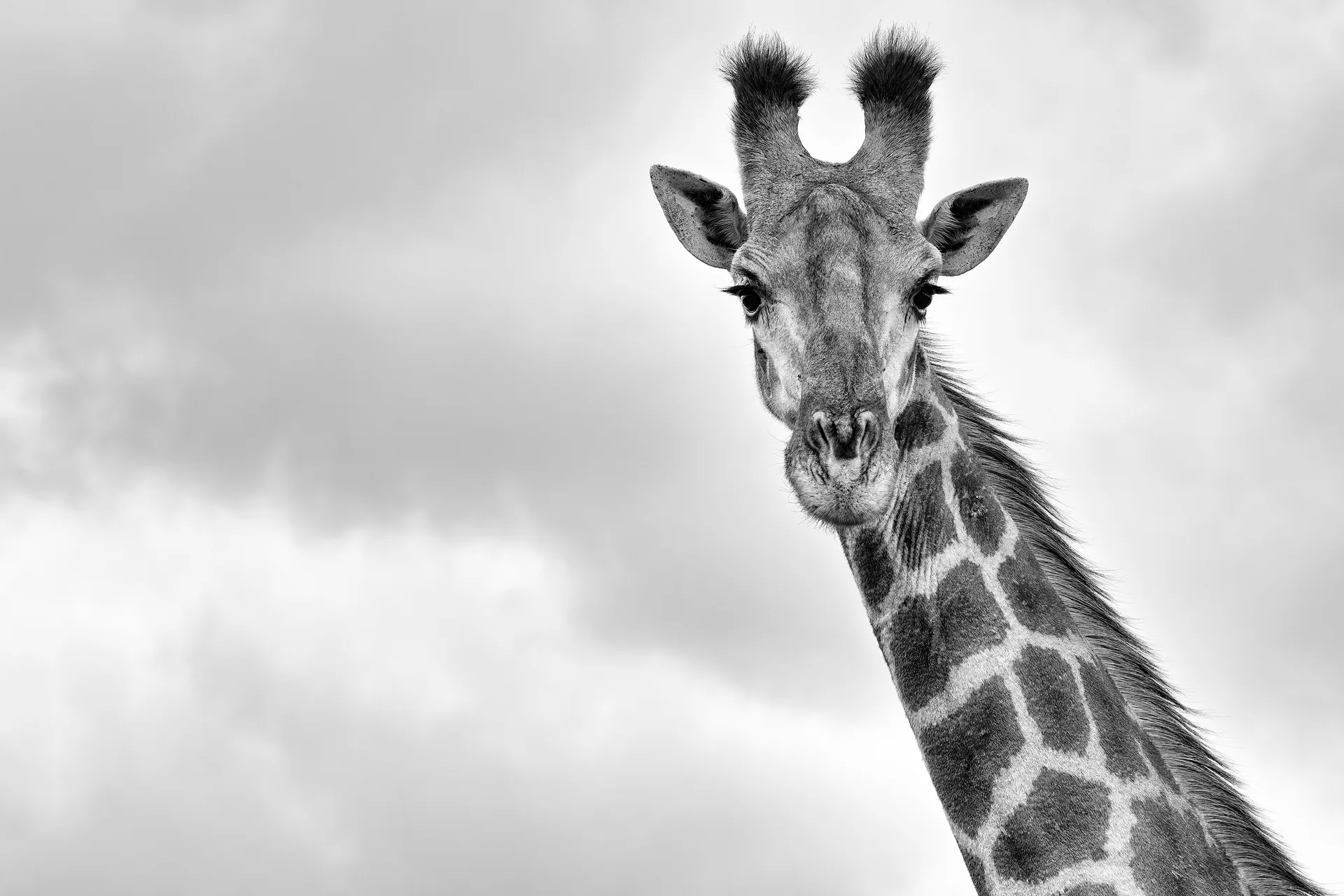
I’m writing this from Zimanga in South Africa. Same place I was last year. Same kind of days in the vehicle, same animals, same light problems in the early morning and late evening.
Last year roughly 75% of my shots came from the Canon R1 and the RF 100-300/2.8 (sometimes with the 1.4x). This year I left both of them at home.
It was a last-second decision. Bags were almost closed. I stood there, looked at the R1 with the 100-300 mounted, and just took it out again. Only Sony gear went into the cases. It felt a bit stupid at the time. That combination has been my most used tool for a couple of years. Leaving it behind for a trip where I already knew it performed well was not the safe choice.
A bit of background for those who haven’t followed the blog long and read my too many blog posts about the R1 and RF100-300.
I was ready to leave Canon completely a few years ago. Then they released the RF 100-300/2.8 and I stayed. At that point I was still on the R3. When the R1 came out I bought one. For the last couple of years the setup has been mixed: Sony for most focal lengths, and the R1 + 100-300 as the main workhorse when I wanted reach and speed in one lens.
The doubts never really went away. The R1’s megapixel count always felt low for wildlife. You can’t always get closer. You’re in a jeep, or the animal decides the distance, or you’re in a floating hide and your legs are useless. Cropping is part of the job.
I still remember sitting in a floating hide in Varanger years ago with the R3 and the 400/2.8. The guy next to me had a Sony A7R and the same 400/2.8. He could crop 50% and still have more pixels left than my full-frame file. That day stuck with me. When I got home I ordered an A7RV. These days I shoot the A1 II and the new A7R V I with its 67 megapixels. The difference in cropping flexibility is real.
Sony’s autofocus in difficult situations is also a step ahead. Not night and day, but enough that you notice when the Canon misses something you are fairly sure the Sony would have stuck to. After a while those small misses start to annoy you.
Then Sony released the 100-400/4.5 earlier this summer. My first reaction was no. I already had the 100-300/2.8. Why would I need a slower zoom? Then we went to the Pantanal and my wife came along. She can’t hand-hold the big primes for a full day in a boat. I needed something lighter for her, so I bought the 100-400 mainly for that reason.
I brought it to Africa instead of the Canon 100-300. For the first couple of days I left it in the room when we headed out on game drives. One morning Brutus asked if he could try it. When we met up later that day he just said, “Wow, this is a fantastic lens. So light and useful.” He also shoots the Canon R1 with the 100-300, so the comment carried some weight.
The next morning I decided to take it out myself. I like it more than I expected. It’s light, and the zoom range is extremely useful when animals start moving or interacting. You can react without changing lenses or trying to get closer. The obvious compromise is the maximum aperture. In good light it barely matters. In the first and last hour of the day you pay for it in higher ISO, and the bokeh is not quite as smooth as a 2.8. Still, the flexibility is winning most of the time right now.
Current kit here is the 70-200/2.8, 300/2.8 and 400/2.8. Next trip I will probably leave the 400 at home. The setup that is starting to make the most sense for me is 70-200 + 300 + 100-400. The two primes for low light and when I want the cleanest background. The 100-400 for everything else.
I haven’t sold any Canon gear yet. I’m not making big declarations. But packing the R1 and the 100-300 away on departure day and not missing them as much as I thought I would says something. The direction is becoming clearer with every day out here.
More from the field soon.