Tech & Building
Why I’m Buying the 512GB M5 Ultra Mac Studio
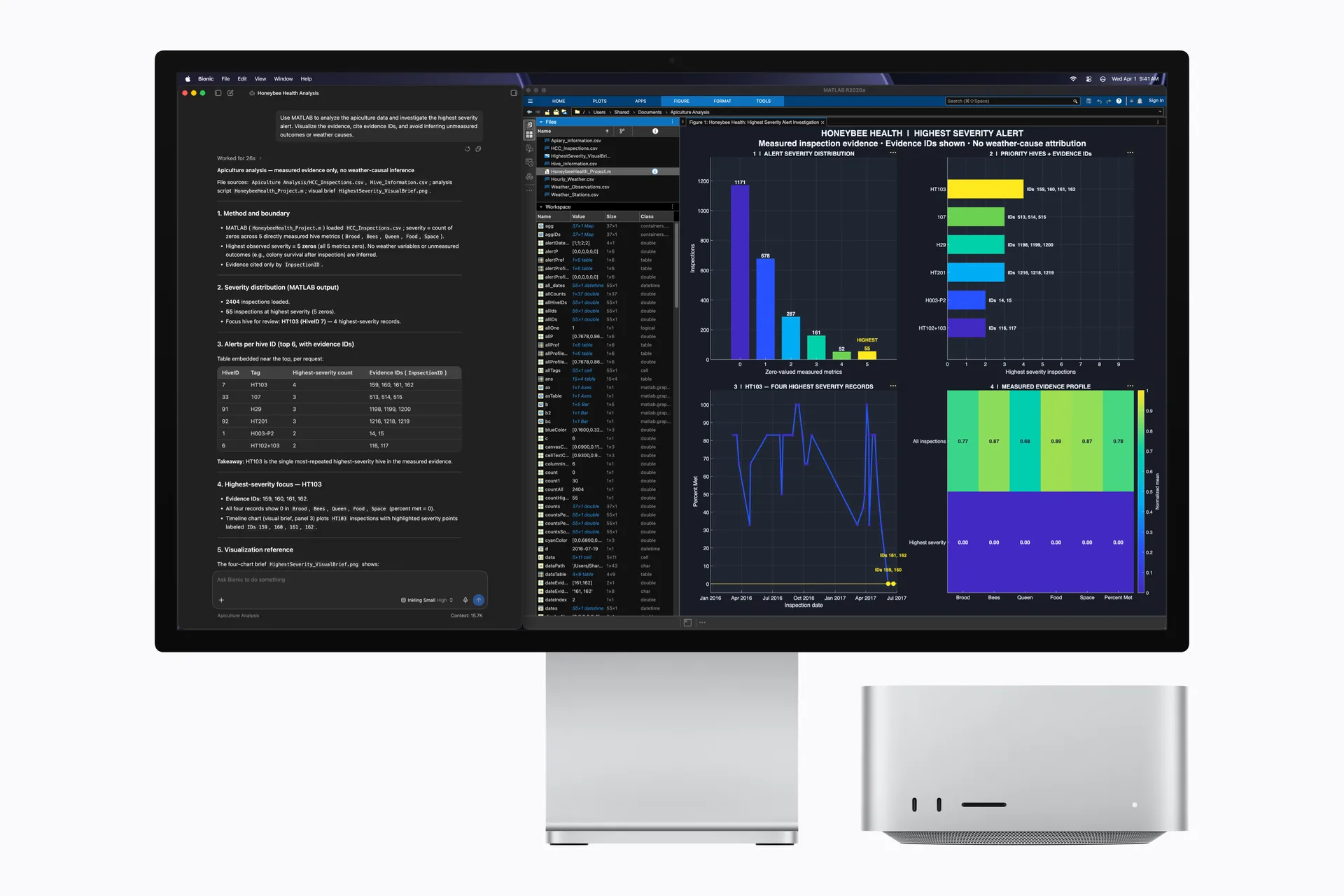
When the Mac Studio with M3 Ultra came out I ordered the 256GB version. It has been a solid machine for editing wildlife stills and footage, keeping large libraries moving, and running local models next to everything else. The only real regret is that I did not understand the value of the 512GB option at the time. That is a mistake I will not make again.
Late last year, December or January, the months blur, I was scrolling through my usual online hardware store and found an open-box RTX 6000 Pro Blackwell at a proper discount. Looking at prices today that deal was very good. I started to spec the rest of a full AI-focused PC around it. A complete high-end build would have landed in roughly the same territory I now expect the 512GB M5 Ultra to cost. I hesitated. It was a lot of money, and I have been a Mac guy for about fifteen years. The next day the card was gone. Someone else took it. End of story, except the thought still surfaces now and then: what would I and that precious 6000 Pro have been running?
On the same desk sit two DGX Sparks, connected to the Mac Studio and running vLLM around the clock. They handle continuous analysis of the investments and other workloads I prefer to keep fully local instead of sending data and tokens out. The combination works, but it is still multiple boxes and the usual friction that comes with that.
Yesterday the new Mac Studio with M5 Ultra was announced. For the way I actually work, creative pipelines mixed with serious local AI, it is the clearest next step. The 512GB version that arrives in late October is the one that finally closes the gap I left open last time and answers the quiet “what if” that has lingered since that open-box card disappeared.
The M5 Ultra goes up to a 36-core CPU, an 80-core GPU with Neural Accelerators in every core, and up to 512GB of unified memory at 1.2 TB/s of bandwidth. That bandwidth is fifty percent higher than before and is what decides how smoothly large models run and how many things can stay open at once.
In the tools I use every day the differences show up clearly: faster AI masking and grading in Resolve, smoother handling of large RAW libraries and 8K footage, the ability to keep models resident while timelines and analysis jobs keep running. Storage is quicker, the machine stays quiet, and it can drive multiple displays without drama. Base configurations start shipping in September. The 512GB option lands late October. Fully loaded it will not be cheap, memory shortages are real, but the fixed cost still looks better than endless API bills and the power, noise and complexity of equivalent discrete builds.
I already know the practical difference between 256GB and 512GB from living with the previous machine. The extra headroom matters when models need to stay loaded, timelines stay open, and analysis continues overnight. The near-miss with the 6000 Pro only underlines the same point: when the right configuration appears, hesitation has its own cost. That is why the late-October 512GB is the one I am targeting.
If every single workload is strictly CUDA and has not been optimised for Apple silicon, the Sparks still have a clear job. Some models will lag until support improves. And the price will make anyone think twice. But for the mix of photography, film, continuous local analysis and the systems I build and run, the combination of unified memory, silence, efficiency and the ability to keep everything resident is hard to beat right now.
This is not about collecting the newest gear. It is about correcting the decision I got wrong last time, answering the quiet what-if that has sat in the back of my head, and giving the whole stack a quieter, faster, more coherent foundation.
The 512GB M5 Ultra in late October is the machine that finally does that.