Craft
The Fading Spotlight: Why Photography’s Superstar Era Might Be Over, and How to Force Your Way Through
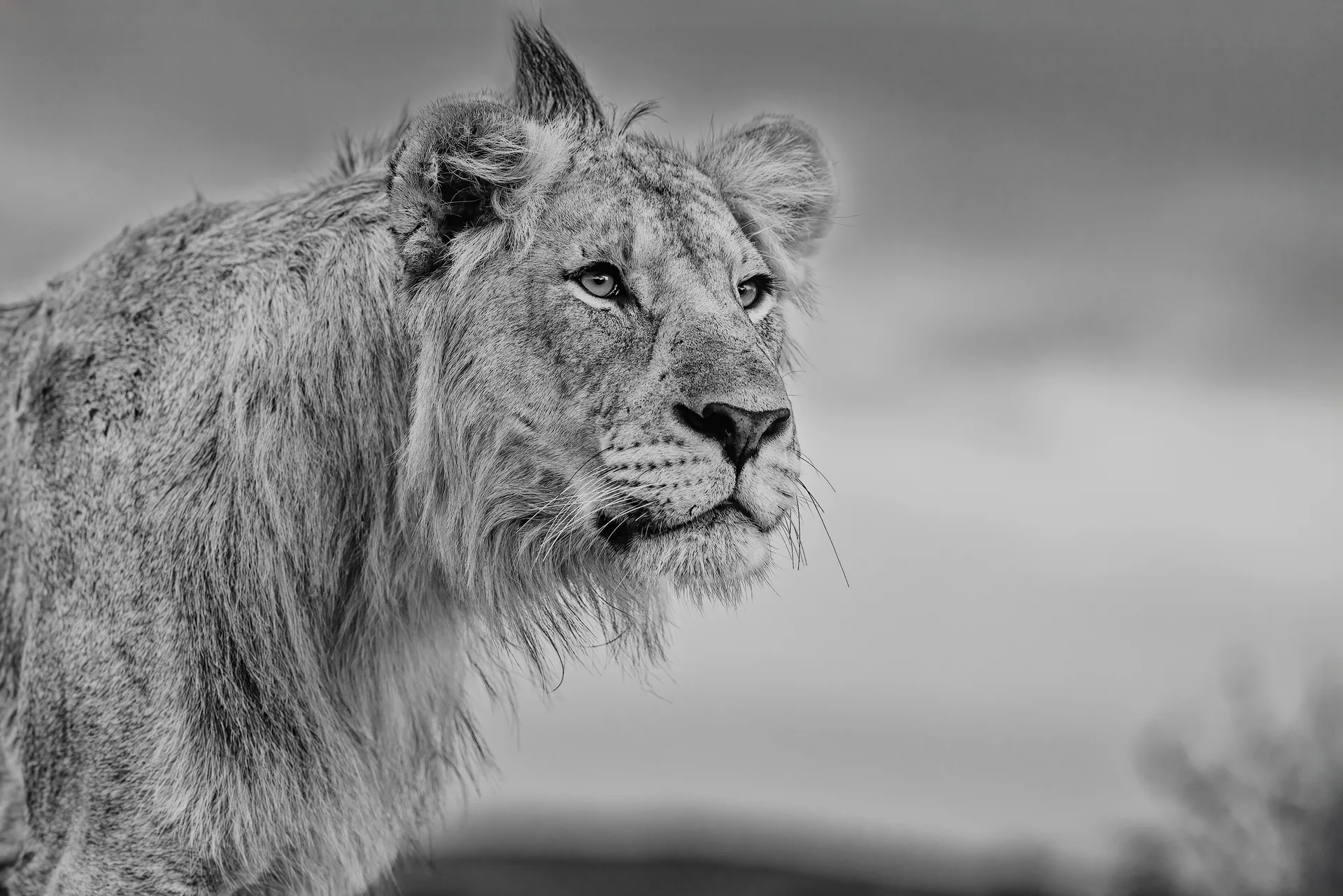
Nobody’s coming to notice you. Not tomorrow. Not someday. Not ever. If you want to be seen, you’ve got to force it: build work so undeniable, so relentless, the world can’t look away. That truth has fueled me through years of chasing light and wrestling with the craft. But last night, as I lay awake, that message cracked open a deeper question. I started reflecting on my journey into photography in 2005, when the world was smaller, the stakes higher, and giants walked among us. It led me to a theory: in this Instagram-saturated era, is photography’s superstar age fading? And what does that mean for those of us grinding to etch our name in light?
Picture 2005. The internet was clunky: dial-up buzzing, forums flickering, no endless scroll of inspiration or noise. Instagram didn’t exist until 2010, and it wasn’t until 2012 that it reshaped the game. Back then, niches like wildlife and minimalist landscapes felt like a sacred club. A few names ruled, their work seared into your soul. Nick Brandt, with his cinematic, black-and-white wildlife portraits, each frame a haunting story. David Yarrow, whose in-your-face animal shots pulsed with raw intensity. Vincent Munier, capturing Arctic minimalism with a reverence that silenced the world. Michael Kenna, turning landscapes into timeless poetry with long-exposure mastery. They were more than photographers; they were legends, their names whispered in awe by anyone who held a camera and dreamed big.
What made them giants? Talent, sure, but it was the world they navigated. Photography was a fortress with high walls. Getting to the African savannah for a wildlife shoot wasn’t a casual trip. It meant months of planning, scraping funds, navigating logistics in remote regions: pure hustle to get your boots on the ground. Sharing your work meant battling gatekeepers: editors at top magazines, curators at exclusive galleries, judges at competitions like Wildlife Photographer of the Year. The field was small, the spotlight narrow but blinding. When someone broke through (a Brandt book, a Kenna gallery show) it was an event. Their images didn’t just inspire; they defined the genre, setting a bar so high it felt untouchable.
Contrast that with today. Scroll Instagram, and you’ll see photographers with big followings promoting workshops to those same savannahs. Some even tout “Follow me to Amboseli, to the very spots where Nick Brandt shot his iconic elephants.” Pay a fee, book a slot, and in 7–10 days, you’re guaranteed stunning shots of lions, elephants, or sunsets, if you know the basics and can edit in Lightroom. Modern cameras make it even easier, nailing focus with AI precision and letting you crop aggressively to perfect the frame. Back then, photographers like Brandt, shooting medium format, missed countless shots due to slow, unforgiving gear. Now, you can’t miss; the tech hands you flawless images on a platter. The barriers are gone, and the results are undeniable, but so is the competition. That accessibility, from workshops to gear, fuels a flood of talent, making it harder for anyone to stand out as singular.
Fast forward to 2025, and the landscape, pun intended, has flipped. Instagram, TikTok, and personal sites have blown the gates open. Mirrorless cameras are sharper, cheaper. Drones capture angles once reserved for helicopters. Lightroom turns raw files into art in minutes. What I thought was a quiet niche (wildlife photography, say) teems with creators. I scroll my feed daily, jaw dropped, at the brilliance: lion portraits that breathe, mountain vistas that steal your soul, minimalist seascapes that feel like dreams. New talent emerges constantly, portfolios that could’ve headlined a 2005 gallery. It’s a golden age of skill, but it’s also a paradox.
My late-night theory: since Instagram’s dominance kicked in around 2015, no new photographers have risen to the mythic status of Brandt, Yarrow, Munier, or Kenna. The talent is overflowing, but the superstars aren’t. Why? The system’s changed; the arena we’re shooting in matters as much as who’s shooting.
Oversaturation is the first hurdle. In 2005–2012, images were a trickle: a magazine feature, a gallery show. Now, it’s a tsunami. Billions of photos flood platforms daily, each fighting for a split-second of attention. Your masterpiece? It’s up against viral memes or AI-generated art that’s getting harder to distinguish from the real thing. The volume dilutes impact; viewers scroll past brilliance in a split-second, rarely pausing to absorb a name, let alone a legacy. I thought wildlife photography was a small world; now it’s a universe, with thousands sharing tips, trips, and triumphs online. The noise is deafening, and even the best shots struggle to echo.
Then there’s fragmentation. Pre-social media, fame funneled through central hubs: a National Geographic spread or BBC Wildlife feature reached everyone who mattered. Now, audiences are splintered: Instagram for quick hits, TikTok for process videos, personal sites for purists. No single stage crowns a king. A photographer might build a loyal following in one corner but stay invisible in another. It’s like Hollywood’s lament: no new movie star like Tom Cruise because fame is sliced into niches. In photography, the undivided attention that built legends is gone, replaced by fleeting glances across platforms.
Algorithms make it worse. They’re not curators; they’re slot machines. Instagram doesn’t care about your craft; it rewards clicks, likes, shares. A perfect shot might sink if it doesn’t fit the trending aesthetic or spark instant engagement. This pushes photographers toward quantity (churning posts, chasing hashtags) over the slow burn of a signature style, like Munier’s patient Arctic frames or Kenna’s meditative landscapes.
The workshop boom is another shift. Photographers with decent followings offer guided trips to Africa’s hotspots: pre-packaged adventures where logistics are handled, and great shots are practically guaranteed. It’s a far cry from the early 2000s, when those images meant staking everything on a self-planned journey. This accessibility, paired with cameras that don’t miss, fuels the flood of stunning work but levels the playing field. When everyone can return from a week-long tour with portfolio-worthy shots, it’s harder for one creator to rise above.
But this is a call to arms, not doom. Yesterday, I said you have to force it, and in 2025, that’s truer than ever. The crowded field, algorithms, workshops, noise: none of it is an excuse. It’s your arena. The path to standing out isn’t what it was in 2005, but it’s there: wilder, tougher, demanding more.
How do you force it in this chaos? Build a brand that screams you. In a flood of stunning images, soon joined by AI creations we can’t distinguish, pretty pictures aren’t enough. I’ve been telling my wildlife photography friends for years: lean into video, especially behind-the-scenes. Show the grind: the pre-dawn treks, the hours waiting for the perfect light, the failures that teach you most. Audiences crave the person behind the lens, the story of your hustle. A lion’s roar is stunning; a lion’s roar with the tale of your sweat and struggle is unforgettable. Share your process on Instagram Reels or TikTok, not just polished shots. Build a community that roots for your journey, not just your portfolio.
Embrace the grind. Oversaturation means persistence is your edge. Shoot daily, experiment relentlessly, fail loudly. Learn from the flood without drowning in it. Connect in real life: join workshops, lead meetups, collaborate with creators who push you. The algorithm can’t touch those bonds.
Redefine success. Maybe it’s not about becoming the next David Yarrow. Maybe it’s building a tribe that lives for your work, a portfolio that shapes the genre in its own way. The sting of this new reality? It’s your signal. You’re not overlooked because you’re unworthy; you’re in a tougher game. Rise to it.
I’m still in the shadows, chasing my own light. Every frame, every edit, every risk is a step toward something undeniable. The superstar era might be fading, but the craft is alive, pulsing, waiting for you to claim it. So stop waiting. Force it. Build a brand so raw, so real, it cuts through the noise and demands to be seen.
What’s the one shot, one story, one video you’re chasing today to make the world notice? Drop it in the comments; let’s build this fire together.