Craft
Why I keep going back to Zimanga
“Everything has already been photographed.” “Why keep going to the same places everyone else already went to? Find your own.” How many times have we heard…
“Everything has already been photographed.”
“Why keep going to the same places everyone else already went to? Find your own.”
How many times have we heard that, especially online?
Zimanga is one of those places. Purpose-built hides, one-way glass at water level, overnight bunkers, reflection pools for birds, scavenger hill, bee-eaters, the lot. It is famous among wildlife photographers for a reason. The images that come out of there look familiar because a lot of good photographers have already been there. Same with Shompole.
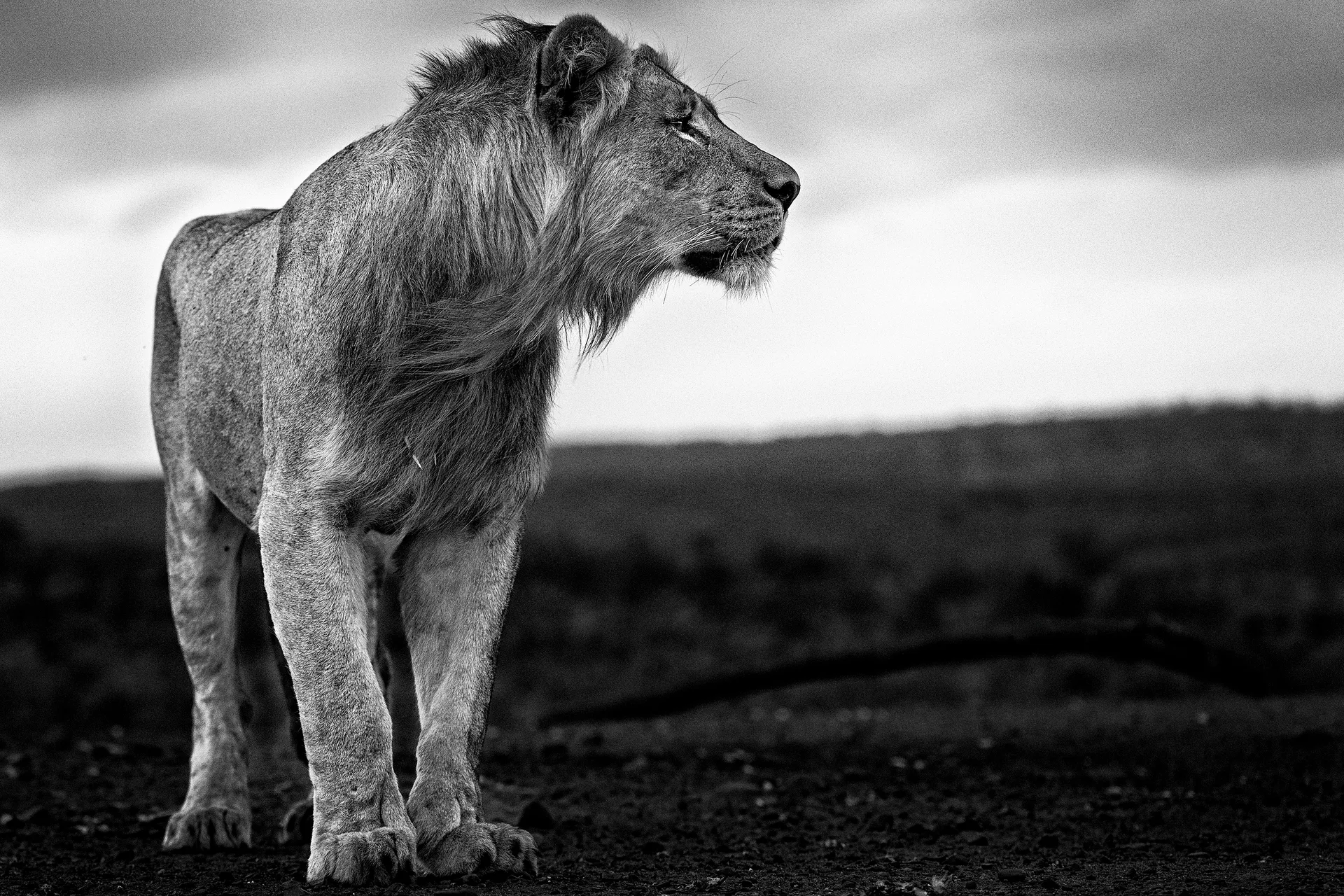
The above photo was shoot at the Scavenger Hide, it's a hide for vultures, but wildlife is wildlife suddenly a pack of lions show up, this is photographed a few meters from the lion, you would never get this close without the glass between us, I have been close to lions without a safety net, but not this close (except that time in mana pools, which was accidental)
So why go back year after year?
For me it is not about filling a portfolio gap or proving I can “succeed” as a wildlife photographer. I have no professional goal of becoming an established name in that world. That absence of pressure is the point. Photography is the thing that calms my brain. It lets me stop thinking about business and investments for a while. I love wildlife photography, I am a gear head, and those two things sit together very comfortably. Win-win. The lack of a career agenda makes the whole thing quieter and more relaxing than almost anything else I do.
Familiarity is not the enemy
I read a blog of a landscape photographer, who wrote about returning to the same Australian coast after first underestimating it is right about something that applies just as well to wildlife: visual familiarity can get in the way. You have seen a million hide shots of a leopard at a waterhole or a twinspot at a bird bath. Your brain already knows the “correct” composition, the expected light, the cliché crop. That is a real hurdle.
The first visits to a place like Zimanga are partly about learning the infrastructure — which hide faces west, how the overnight waterholes work, when the bee-eaters are nesting, how the light hits the lagoon. Later visits are different. You already know the stage. You can stop fighting the setup and start watching behaviour. You wait longer. You try a tighter frame, a slower shutter, a different height, a moment that is not the postcard moment.
The hides at Zimanga were designed with Bence Máté’s thinking: photographers invisible, animals behaving as if no one is there, clean backgrounds, eye-level perspectives. That does not get old just because other people have used the same glass. The animals still decide when they arrive and what they do. Light still changes. Weather still ruins or saves a session. A giraffe birth, a curious lioness at the door of an overnight hide, oxpeckers on warthogs, a silent buffalo herd at night — those are not guaranteed, and they are not identical every year.
The road everyone travels can still be yours
There is value in the less-photographed places. I have chased that too — new destinations, fewer reference images, the feeling of working without a safety net. That is excellent training. It forces you to see instead of copy.
But returning to a well-known place after you have already done that training is also useful. Once you have practised making something that is yours in locations you had almost no preconceptions about, it becomes easier to do the same in locations your brain already “knows” You are no longer trying to beat the internet. You are just sitting in a comfortable chair behind one-way glass, watching a rhino drink, and deciding whether this particular evening light is worth staying for.
Zimanga is built for that kind of unhurried work. Small numbers of guests, vehicles that understand photographers, hides that are actually designed rather than improvised. You can spend a week rotating through day hides, night hides and game drives without the usual safari scramble. That structure is why people keep going back. It is not that nothing new can be made there. It is that the conditions for making something personal are unusually good.
I do not need Zimanga to be secret. I need it to be a place where I can put the camera to my eye and the rest of the week disappears for a while. Same hides, different year, different animals, different light, same reason: it is calm, it is interesting, and I do not have to turn it into anything else.