Craft
Why I Often Stop Down, Even With Fast Glass
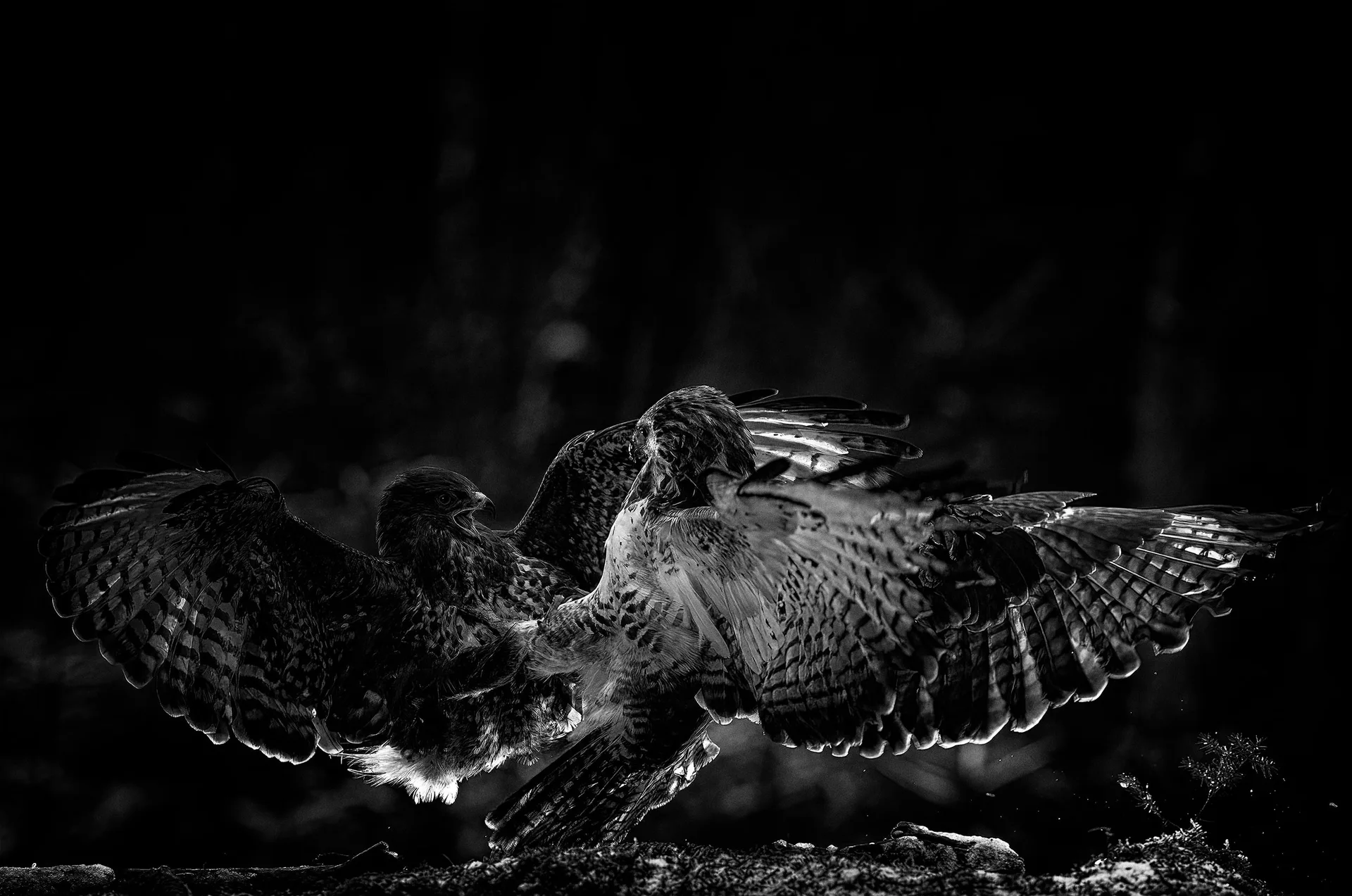
When I started out, I shot almost everything wide open. If the lens was a 2.8, I was at 2.8. It made sense at the time: shallow depth of field meant background blur, subject separation, and that polished, “professional” look everyone seemed to chase. And in many cases, it worked.
But I also lost a lot of shots that didn’t need to be lost.
Back then, ISO and noise performance were real constraints. You often had to shoot wide open just to maintain a usable shutter speed without cranking the ISO too high. Shooting at f/5.6 in low light could mean going into ISO 3200, 6400, or beyond, territory that didn’t always hold up in post.
Today, that tradeoff is almost gone. With modern sensors, ISO 6400 or even 12,800 is no longer a deal-breaker. Noise is clean, detail holds, and color fidelity doesn’t fall apart the way it used to. That change alone opened up more freedom in how I shoot.
Now, I rarely shoot fully open unless the light demands it. If I’m using a 2.8 lens, I’ll often stop down to f/4 or f/4.5. With longer zooms or primes, I tend to land between f/5.6 and f/6.3, sometimes pushing to f/7.1 when depth is critical.
What I gain from stopping down:
- Sharper rendering across the frame. Most high-end lenses tighten up noticeably when stopped down slightly. Even legendary glass like the RF 100–300mm or Sony’s 400/2.8 benefits from moving off wide open.
- More usable depth when tracking angled or fast-moving animals. At f/2.8, the margin for error is brutal. At f/5.6 or f/6.3, the whole bird, or group, is more likely to land in the focus plane.
- Plenty of subject separation even at smaller apertures. At 400mm or longer, you still get background blur and compression. Unless you're shooting with a distracting foreground just behind the subject, bokeh isn’t going to be your problem at f/5.6.
It took time to unlearn the idea that wide open is always best. But the truth is, shooting wide open is often a technical crutch born from older limitations, not a creative necessity.
Today, with the tools we have, stepping down just a bit can dramatically increase your hit rate, consistency, and overall image quality, without sacrificing the look you’re after.