Craft
Why I Shoot Everything in 60fps, Until I Don’t
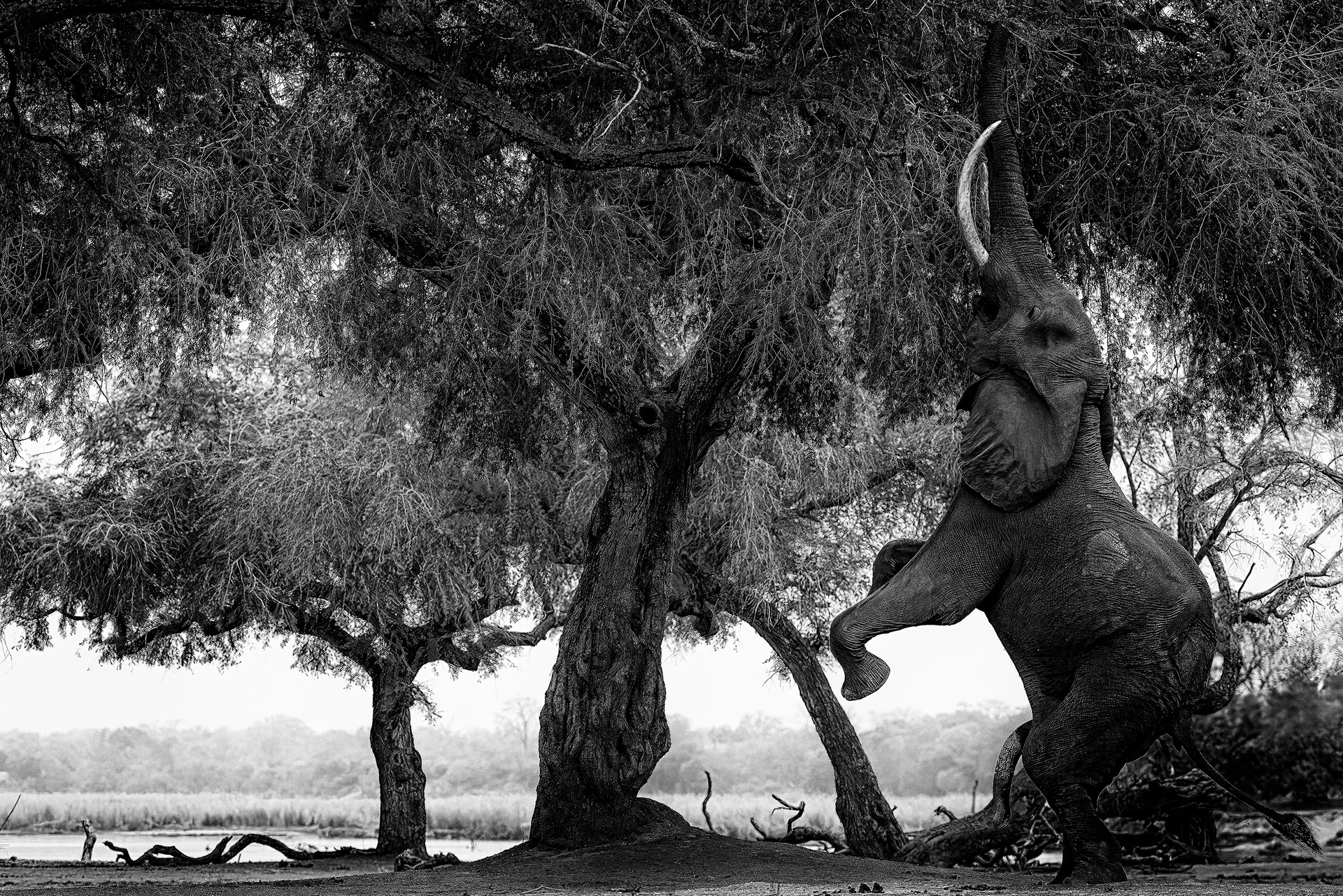
At some point, I got tired of overthinking everything.
Tired of flicking through frame rate menus on location, trying to guess what I might want later. Tired of shooting the same scene in three different modes, “just in case.” Tired of the editing mess that followed: mismatched timelines, conforming clips, audio drifting out of sync, and footage I couldn’t use because I hadn’t committed.
So I stopped guessing.
Now I shoot everything in 60fps. Always. It's my baseline.
Paired with 30fps timelines, it gives me clean real-time playback and perfect 50% slow motion. No blending. No artifacts. No drama. I can decide in post. That’s freedom. And when you're working with unpredictable subjects (wild animals, real people, one-take moments) you need all the freedom you can get.
But don’t confuse the two:
60p isn’t slow motion. It’s real-time, with options.
When I want real slow motion, the kind that stretches a moment and makes you feel it, I don’t fake it. I don’t try to drag 60p out further than it wants to go. I switch to 120fps, or 240fps if the camera allows it. But I do it on purpose.
I don’t shoot 120 “just to have it.” I shoot it because I’ve already seen the moment in my head. Because I want to extend it. The leap. The impact. The eye contact. The beat of wings. That’s not something you stumble into. That’s a decision.
The difference is mindset.
60fps is default. Intentional. Flexible.
120fps is a active choice. It’s reserved for when you want to dial time down and hold it in your hands.
And that shift, from randomly switching frame rates to using them with intent, changed everything.
Now my gear isn’t in charge of the storytelling. I am.
When the camera’s set, I can focus on what matters: the scene, the movement, the story.
I’m not fiddling. I’m not second-guessing. I’m watching. Ready. Present.
And when that moment comes where I know it needs to be slowed down, I’ll flip to 120. But I’ll do it with full attention, because those are the frames I’m going to live with later.