Craft
Wide-Angle Wonders: Capturing Wildlife in Their World – Trends for 2025
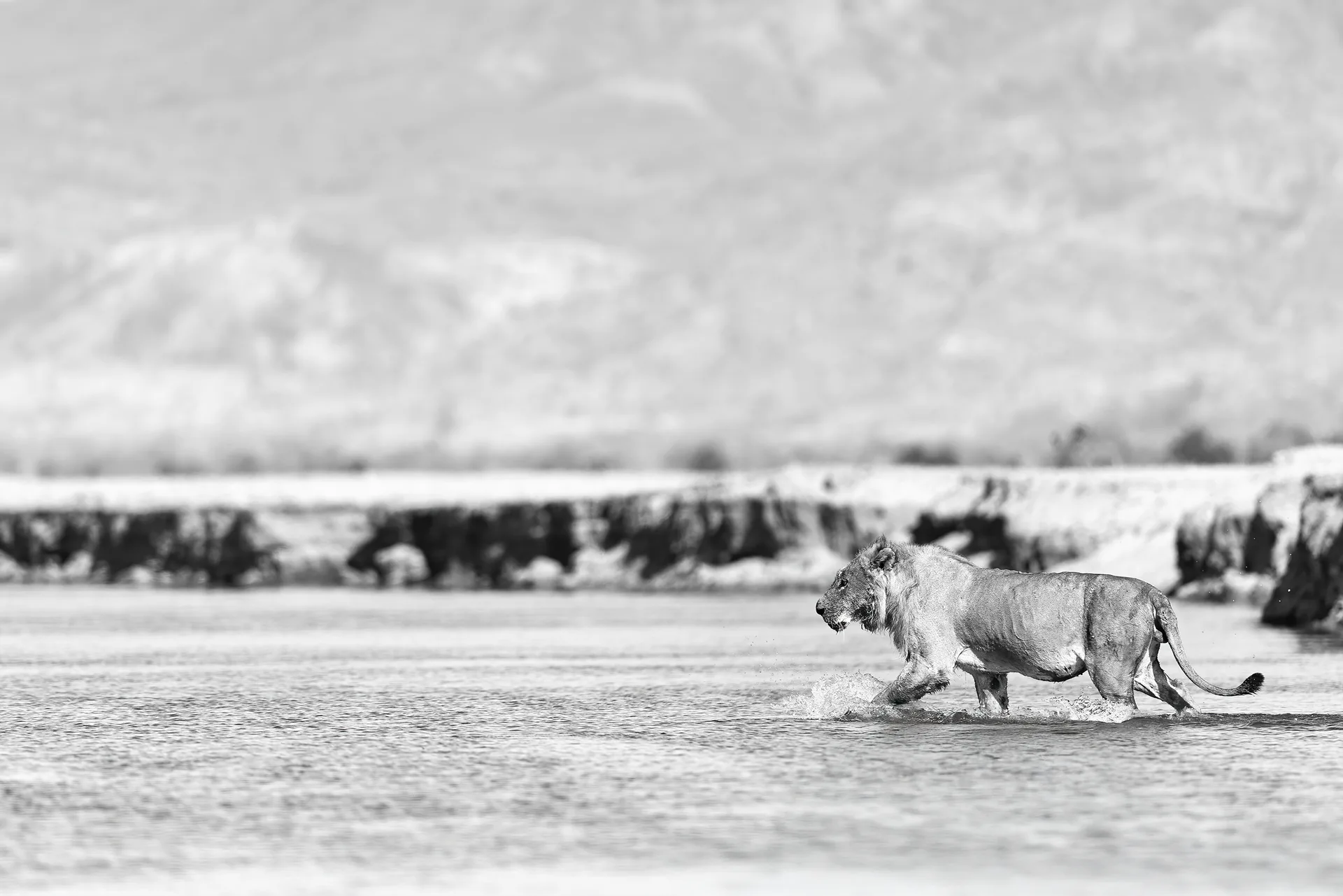
In the ever-evolving world of wildlife photography, 2025 is all about zooming out, literally. The days of super-telephoto lenses dominating every frame, isolating animals like studio portraits, are fading. Wide-angle photography is taking over, showcasing creatures in their raw, sprawling habitats. As a wildlife filmmaker obsessed with capturing nature’s big stories through my lens, I’m all in for this shift. It’s about the animal and the world they’re fighting to survive in. This is why wide-angle is the hot trend, how to master it, and why it’s changing how we see nature.
Why Wide-Angle is the Big Trend Right Now
Images that embrace context: think a herd of elephants dwarfed by a golden savanna or a polar bear weaving through melting ice floes. It’s conservation storytelling at its finest, reminding us wildlife doesn’t live in a vacuum. Blogs and trend reports are buzzing about minimalist landscapes and oversized prints that highlight ecosystems, turning photos into mini-documentaries. For filmmakers, it’s like swapping a close-up for an establishing shot: the story suddenly roars to life.
What’s fueling this? High-megapixel cameras changed the equation. With sensors packing 45MP or more (like the Canon R5II or Sony A1II) you can shoot wide-angle scenes where the animal occupies just a sliver of the frame, yet still get tack-sharp details in fur, feathers, or scales. Back when 12-24MP sensors were the norm, a small subject in a wide shot would look soft or blurry when viewed closely or printed large. Now, high-res bodies let you capture the animal’s world without sacrificing clarity, making wide-angle compositions not just viable but breathtaking.
Gear Up for the Wide World
No Hollywood budget required. Grab a standard zoom lens with a wide end: something like the 24-70mm f/2.8 range for full-frame cameras is my sweet spot for wildlife, letting you go wide without getting dangerously close. I shoot with my Sony A1II and love the Sony FE 28-70mm f/2.0 GM II for its razor-sharp clarity and low-light prowess during golden-hour stakeouts in places like Africa or polar regions. Pair it with a sturdy tripod for low-angle shots (think eye-level with your subject for that immersive vibe), and toss on a polarizing filter to tame glare on water or leaves. For filmmakers, mount it on a gimbal for buttery-smooth pans that capture the habitat’s flow, perfect for B-roll that screams “epic nature doc.” High-megapixel cameras shine here, ensuring even a distant subject pops with detail.
Techniques to Master the Magic
Wide-angle demands compositional savvy. My approach:
- Get Close, Stay Safe: Wide lenses let you feel intimate without crossing lines. Crouch low for a frog’s-eye view of a grazing deer, but keep ethics first: use hides or remote triggers to avoid stressing wildlife.
- Layer the Scene: Add depth with foreground elements. Frame a lion through acacia branches or a bird against a stormy sky. Use leading lines, like a riverbank guiding the eye to your subject.
- Light It Right: Dawn and dusk deliver that soft, directional glow. Skip midday’s harsh light unless you’re chasing dramatic shadows in arid landscapes.
- Tell the Story: Think like a filmmaker: what’s the conflict? A fox hunting on an urban edge? That wide shot screams habitat loss in a way a tight portrait can’t. High-res sensors mean even a small subject holds up with crisp detail.
Why This Trend Matters for 2025 and Beyond
With climate change dominating headlines, wide-angle wildlife photography is more than gorgeous; it’s urgent. It bridges photo and film, turning static shots into stories that demand action. Whether you’re a pro or a hobbyist this trend will elevate your craft.
So grab your gear, head into the wild, and zoom out. Nature’s bigger picture is calling, and it’s worth every frame. Got a favorite wide-angle wildlife shot? Drop it in the comments; I’m dying to geek out over it.