Craft
The One Skill That Makes Every Wildlife Photographer Better: Reading Behaviour
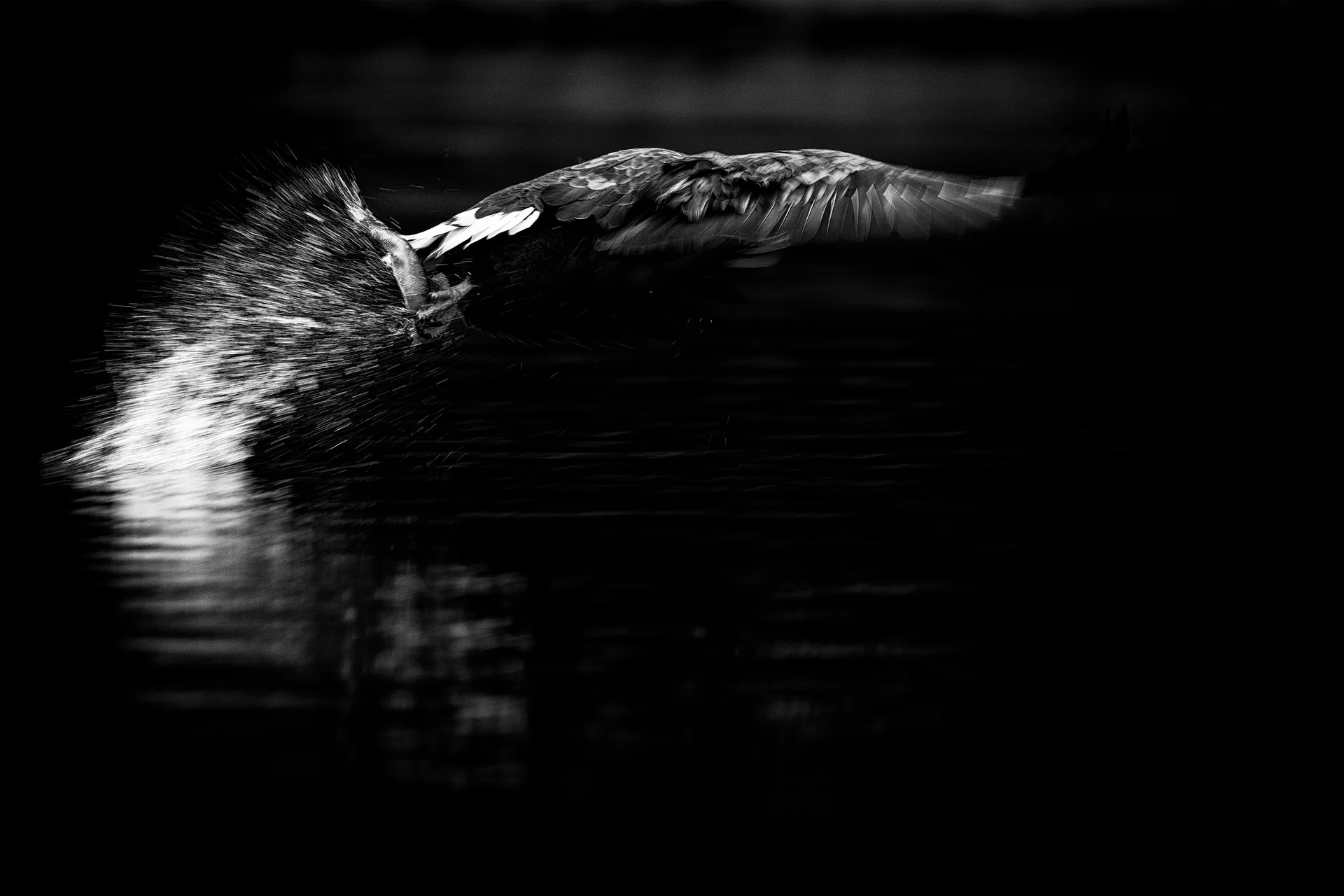
If there’s one skill that lifts your wildlife photography more than any camera, lens, or setting, it’s this: being able to read behaviour. Real timing doesn’t come from fast reflexes; it comes from knowing what’s about to happen before it happens. Wildlife photography is recognising the moment long before it exists, not just reacting to action.
Behaviour Is the Real Early Warning System
Big moments rarely appear out of nowhere. They build, gradually and predictably, if you know what to watch for. A lion doesn’t suddenly move after lying still; you’ll see a shift in posture first. An eagle won’t dive without locking onto a target. A fox doesn’t pounce without heightening its focus and adjusting balance. A polar bear rarely changes behaviour without altering its scanning pattern. These cues are small, but they matter.
The Misconception: “Behaviour Is Obvious”
It isn’t. If you only notice behaviour after it starts, you’re already late. Reading behaviour means focusing on posture over poses, balance over motion, intention over movement, stillness over action. It’s learned by paying attention, not by buying gear.
Species-Specific Cues That Actually Happen
Lions: Before movement, lions almost always reset their posture: a stretch, a subtle weight shift, a lifted head, a change in ear direction.
Eagles: An eagle committing to a dive usually begins by visually locking in first. Wing posture follows afterwards, not before.
Foxes: A fox preparing to pounce becomes intensely focused. The ears lock forward, the head stays fixed, the body stiffens, and there’s a short, deliberate pause.
Bears: Bears often repeat a scanning pattern when relaxed. When that stops and the bear fixes on something, behaviour typically changes soon after.
Birds in general: One of the most reliable cues you can learn quickly: If a bird defecates, it’s about to take off. They lighten their load instinctively before flight. It’s not perfect, but accurate enough to trust in the field.
These tells are real, consistent, and field-tested.
Behaviour Beats Gear Every Day
Gear helps with execution. Behaviour gives you timing. A fast camera won’t help if you’re late. The sharpest lens can’t save a misread moment. Even the best autofocus can’t replace anticipation, although I’ll admit pre-capture does a decent job of helping you cheat your way out of bad behaviour prediction now and then. Behaviour is the layer between knowing and capturing.
Reading Behaviour Changes How You Move
Once you understand behaviour, you stop reacting and start positioning. You move to a cleaner background, a better angle, the direction the animal is likely to travel, or light that will make sense when the action happens. Instead of chasing the moment, you’re preparing for it.
The Quiet Advantage
Anyone can shoot obvious action. Experienced photographers capture the moment before the action: the tension, the breath, the shift, the commitment. These are the frames with real emotion.
Behaviour Is the Skill No Camera Can Replace
Tech will keep improving, but behaviour recognition is human. It comes from repetition, patterns, mistakes, and time around animals. It’s the one skill that outlasts every camera body you’ll ever own.
The Real Lesson
Fast reactions matter less than understanding the scene well enough to know when speed actually counts. Learn the animals, not the menus. Recognise intention, not movement. And trust the behaviour, because it’s the most reliable guide you have.