Craft
Why Masai Mara’s New Rules Are a Win for Wildlife Photographers
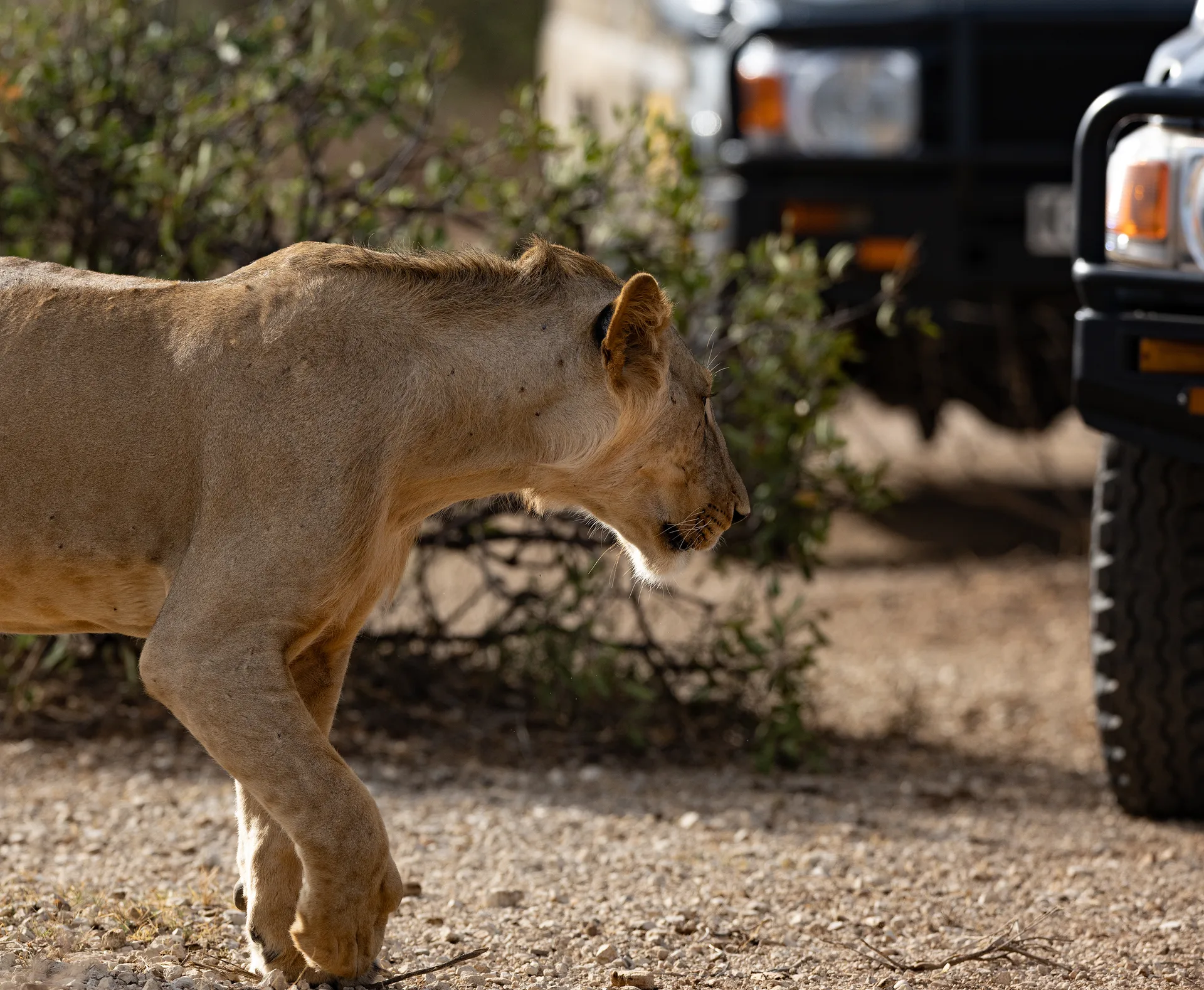
If you’ve ever photographed in the Masai Mara, you know the drill. You spot a lion. You stop the car. Within minutes, you're boxed in: twenty, maybe thirty other vehicles closing in, jostling for position, bumpers in the frame, engines humming, dust flying. The wildlife? On edge. The moment? Gone.
It’s frustrating. Not just as a photographer, but as someone who actually cares about the animals we’re out there for. But now things are changing. And honestly? It’s about time.
A Shift That Actually Makes Sense
The Mara has started tightening up. New safari regulations are rolling out, and they’re not half-measures. We’re talking about real changes aimed at one thing: protecting what’s left of the wild.
This is what’s happening:
- Vehicle limits at sightings: A strict five-car maximum, with enforced time limits if more show up. No more parking lot vibes at every big cat.
- Self-drive safaris? Gone. Since mid-2024, only licensed guides in certified vehicles can enter. Fewer amateurs off-track, fewer animals spooked.
- Higher park fees: Price doubled during peak season; yes, it filters out the casual daytrippers, but it also funds conservation.
- No new lodges: A full stop on camp expansion. Some high-end projects still squeaked through, but overall, they’re freezing development to protect habitat.
It’s a clear message: this place is not a zoo, and if you want to experience it, you’re going to have to do it right.
Why It Matters, for Wildlife and for Us
Let’s start with the obvious: if we don’t protect the wildlife, there’s no safari. No photos. No Masai Mara.
Overcrowding stresses animals. It changes their behavior: how they hunt, how they move, how they raise their young. That stress builds up. Eventually, they shift their range or disappear entirely. We’ve already seen it with parts of the migration. The numbers have dropped dramatically in some areas, corridors blocked by camps and roads and noise.
These new rules are about undoing some of that pressure. Giving the land, and the animals, a chance to breathe again. And as a photographer, I’m not just okay with that; I’m fully on board. Because better conditions for wildlife mean better photographs. Period.
Clean Frames, Natural Moments, Real Access
Let’s be blunt: nobody wants to frame a leopard only to have a Hilux bumper in the background. The five-vehicle limit? That’s huge. It gives you space, literally and creatively. You can work an angle. Wait for the light. Catch the eye contact.
And the wildlife? Calmer. Less skittish. Less likely to vanish because they’re surrounded by diesel fumes and twenty engines idling.
What this also means is that the Mara is shifting toward serious access for serious photographers. If you’re committed, if you plan ahead, and if you’re going with the right guide, you’ll get deeper into the reserve than ever before. Less noise. More connection. Fewer distractions. And that’s when the real moments happen.
Sure, it’ll cost more. You’ll need to book in advance. But the tradeoff? You’re not competing with a convoy of weekend warriors. You’re not racing for position at every sighting. You’re working with space, time, and respect.
That’s how you turn a safari into a real photographic experience.
The Wild Deserves This
This is about respect, not just rules. For the land. For the wildlife. For the people who live there. For the photographers who come with real intent.
As someone who lives for this, who’s building a life around capturing wild places, I’m glad the Mara is raising the bar. It makes the experience better for everyone who cares about it. And if that means fewer crowds and more effort to do it right, then good.
The Mara doesn’t need more tourists. It needs people who show up with purpose.
So if you’re heading there in 2025 or beyond, go with intention. Work with a licensed guide. Pay what it costs. Respect the new rules. And you’ll be rewarded with something far better than convenience: you’ll get the Mara as it should be.