Craft
You Probably Did Not Invent Your Quote
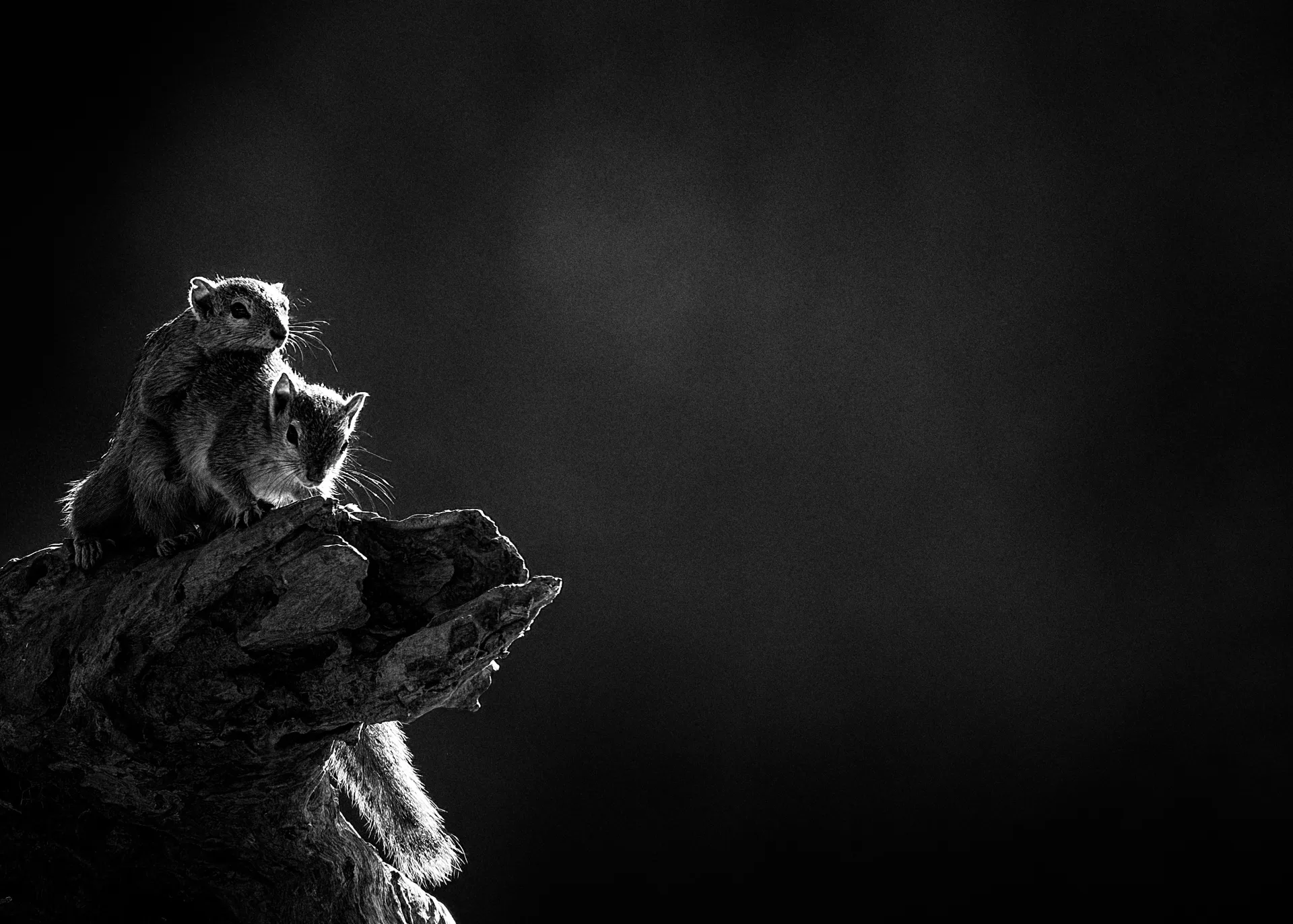
A few years ago I published a post titled “Photography Isn’t Made to Impress Others. It’s Made to Discover Yourself.” It came from years of shooting wildlife and the slow realisation that the camera often shows you more about yourself than about the animal in front of it.
I was in Pantanal photographing Jaguars late June, and I received an email from my system, that a new comment arrived on my old website. The new one I launched a few weeks ago has no comment function, so it would never have appeared there. A photographer I had never heard of informed me that my blog title was his personal quote. He had "created" it in 2024, put it in his book, and tattooed it on his body. He asked me to remove it or request permission. He also mentioned legal channels.
I replied on the old site. I had never heard his name nor seen his work. The idea was already in my writing years earlier. And it is a conclusion many photographers reach on their own. The exchange we had is mostly interesting because of what it reveals.
We are not living in 1890.
A hundred years ago almost no one could publish. Newspapers, books and public speeches were scarce. That scarcity is why a relatively small number of lines became famous quotes, often glued onto Churchill, Einstein or Oscar Wilde whether they said them or not. Most people who had the same thoughts simply disappeared without a record. Today the scarcity is gone. Billions of people publish every day. Almost every observation gets a timestamp. Yet many still act as if we are living under the old rules. A sentence appears under a photo or in a self-published book, gets repeated a few times, and suddenly it feels like private property. The tattoo is presented as proof of ownership rather than proof that the sentence meant something to one person.
When the legal threat arrived I smiled. I run real businesses. I hold trademark registrations in multiple jurisdictions, including the EU, the United States and China, and have spent actual money fighting real trademark cases in court. I know the difference between a protected slogan like Apple’s “Think Different” and a generic sentence about photography. You cannot own an ordinary idea expressed in ordinary language. He never followed up. That was not very surprising.
As someone who has spent more than twenty years photographing and building companies, self-reflection has been far more useful than originality policing. If I sat around googling my own blog titles and ideas to see whether someone else had expressed something similar, then threatened them that I wrote it first and therefore owned it, I would be doing nothing else with my time. And it would be kind of pathetic.
Genuine plagiarism exists. Two people independently arriving at a similar sentence about self-discovery in photography is not plagiarism. It is what happens when people share similar experiences and the same language. In 2026 almost everyone is a publisher. That does not make our thoughts more unique. It only makes them more visible, and more often claimed with great seriousness.
A sentence can matter deeply to you. It can describe your philosophy and sit permanently on your skin. That still does not make it yours alone.